

10.38 laminated glass price
Measuring Tools and Equipment Understanding Their Importance and Usage Measuring tools and equipment are essential components in various fields, including construction, engineering, manufacturing, and scientific research. These tools play a pivotal role in ensuring accuracy, precision, and efficiency in measurements, which are critical for successful project outcomes. With advancements in technology, the variety and sophistication of measuring equipment have evolved significantly, catering to diverse requirements across different industries. Types of Measuring Tools 1. Length Measurement Tools One of the most common categories of measuring tools is length measurement instruments. This category includes rulers, tape measures, calipers, and micrometers. Rulers and tape measures are widely used in everyday tasks, while calipers and micrometers provide higher accuracy for engineering and manufacturing applications. 2. Angle Measurement Tools Instruments such as protractors and digital angle finders help determine angles accurately, which is crucial in fields like construction and woodworking. These tools enable precise cutting and assembly of materials, ensuring that projects maintain structural integrity and aesthetic appeal. 3. Mass Measurement Tools Scales and balances are fundamental for measuring mass. From kitchen scales used in culinary applications to precision balances in labs, these tools are vital for quantitative analysis and quality control processes. 4. Temperature Measurement Tools Thermometers, thermocouples, and infrared sensors are examples of tools used to measure temperature. Accurate temperature readings are crucial in industries like food processing, pharmaceuticals, and HVAC, where temperature control can significantly impact product quality and safety. 5. Pressure Measurement Tools Pressure gauges and manometers are essential in various industries, including automotive, aerospace, and chemical processing, where understanding fluid dynamics and system performance is critical. measuring tools and equipment 6. Electrical Measurement Tools Multi-meters, oscilloscopes, and clamp meters are essential for measuring electrical parameters such as voltage, current, and resistance . These tools are widely used by electricians and engineers to ensure the safe and efficient operation of electrical systems. Importance of Accuracy and Precision One of the primary reasons measuring tools and equipment are indispensable is their ability to provide accuracy and precision. Accurate measurements are crucial in ensuring that components fit together correctly, materials are used efficiently, and safety standards are met. In many industries, even a slight deviation from the prescribed measurements can lead to significant errors, financial losses, or safety hazards. For example, in construction, errors in measurements can result in structural failures, while in manufacturing, inaccuracies can lead to defective products, waste of materials, and increased costs. Thus, investing in high-quality measuring tools and ensuring proper calibration and maintenance is essential for any organization. Technological Advancements The rise of digital technology has revolutionized measuring tools and equipment. Digital calipers, laser distance meters, and electronic levels enhance accuracy and ease of use. These modern tools often come equipped with features like memory storage, data output, and connectivity options, allowing users to manage measurements efficiently. Furthermore, the integration of software with measuring equipment enables real-time data analysis and reporting, facilitating more informed decision-making. Conclusion Measuring tools and equipment are fundamental to a wide range of industries and applications. Their role in ensuring accuracy, precision, and efficiency cannot be overstated. As technology continues to advance, the evolution of these tools presents exciting opportunities for improvement in measurement practices. For professionals in fields relying heavily on measurements, staying abreast of new tools and techniques is essential for maintaining a competitive edge and achieving success in their respective areas. Investing in high-quality measuring equipment and embracing technological innovations will undoubtedly lead to enhanced productivity and superior outcomes.
about
10.38 laminated glass price
Understanding the Measurement Platform A Key to Data-Driven Decision Making In today’s digital age, where information is ubiquitous and technology is ever-evolving, the concept of a measurement platform has emerged as a cornerstone for businesses aiming to make data-driven decisions. But what exactly is a measurement platform, and why is it crucial for organizational success? A measurement platform is essentially a structured system designed to collect, analyze, and interpret data from various sources. It serves as a tool for businesses to gauge performance metrics and understand the effectiveness of their strategies, campaigns, and overall operations. The primary goal of this platform is to convert raw data into meaningful insights that can guide decision-making processes. One of the most compelling aspects of a measurement platform is its ability to consolidate data from multiple channels. In a world where customer interactions happen across websites, social media, mobile apps, email, and more, having a unified view of data is essential. This consolidation allows businesses to understand customer behavior holistically rather than in silos. For instance, analyzing customer engagement across different platforms enables businesses to identify trends, preferences, and areas for improvement. Key Components of a Measurement Platform To be effective, a measurement platform generally includes three key components data collection, data analysis, and reporting. 1. Data Collection This is the foundational step where businesses gather data from various sources. It often involves integrating different tools and technologies such as web analytics, social media metrics, customer relationship management (CRM) systems, and more. Tools like Google Analytics, Adobe Analytics, and other specialized software play crucial roles in this phase, ensuring that the data collected is accurate and comprehensive. 2. Data Analysis Once data is collected, the next step is analysis. This process transforms raw data into actionable insights. Various analytical techniques and methodologies are employed, such as statistical analysis, predictive analytics, and visualization tools. By analyzing data patterns, businesses can uncover valuable insights about customer behavior, market trends, operational efficiency, and potential risks. 3. Reporting The final component of a measurement platform is reporting, where insights are presented in a digestible format . Effective reporting tools visualize data through dashboards and charts, making it easier for stakeholders to interpret findings. Clear, understandable reports ensure that decision-makers have access to the information they need to formulate strategies and drive growth. measurement platform The Importance of a Measurement Platform The benefits of implementing a measurement platform are manifold. First and foremost, it enhances accountability within organizations. By establishing specific KPIs (Key Performance Indicators) and metrics, teams can track progress and performance with greater clarity, leading to more informed decisions. Moreover, a measurement platform fosters a culture of data-driven decision-making, encouraging teams to rely on evidence rather than intuition. Additionally, businesses can optimize their marketing efforts through better insights. By understanding which campaigns drive engagement and conversions, organizations can allocate resources more effectively, ultimately maximizing ROI (Return on Investment). Moreover, the ability to segment data allows for personalized marketing strategies, enhancing customer experiences and fostering loyalty. Challenges and Considerations Despite its advantages, creating an effective measurement platform is not without challenges. Data privacy concerns, integration issues, and the sheer volume of data can complicate the process. Businesses must ensure compliance with regulations such as GDPR and CCPA while maintaining data accuracy and security. Furthermore, organizations should be mindful of the importance of user training and adoption. Ensuring that teams are well-versed in utilizing the platform effectively is crucial for maximizing its benefits. Conclusion In conclusion, a measurement platform is an indispensable asset for modern businesses striving for growth and competitiveness. By providing a structured approach to data collection, analysis, and reporting, it equips organizations with the insights needed to make informed decisions. As technology continues to advance, the need for robust measurement platforms will become even more critical, paving the way for a future defined by data-driven success.
-

High quality industrial productsagement

High quality industrial products
View Details -

Meet the diverse needs of customers

Meet the diverse needs of customers
View Details -

Strict quality control

Strict quality control
View Details -

Top raw materials

Top raw materials
View Details -

Trusted supplier

Trusted supplier
View Details
Our application

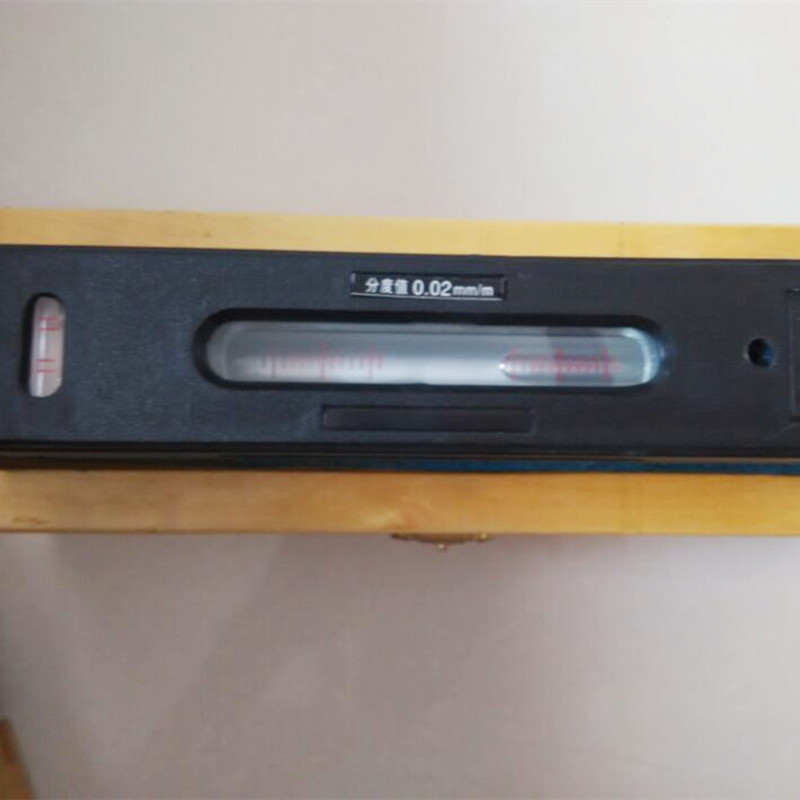


news and information
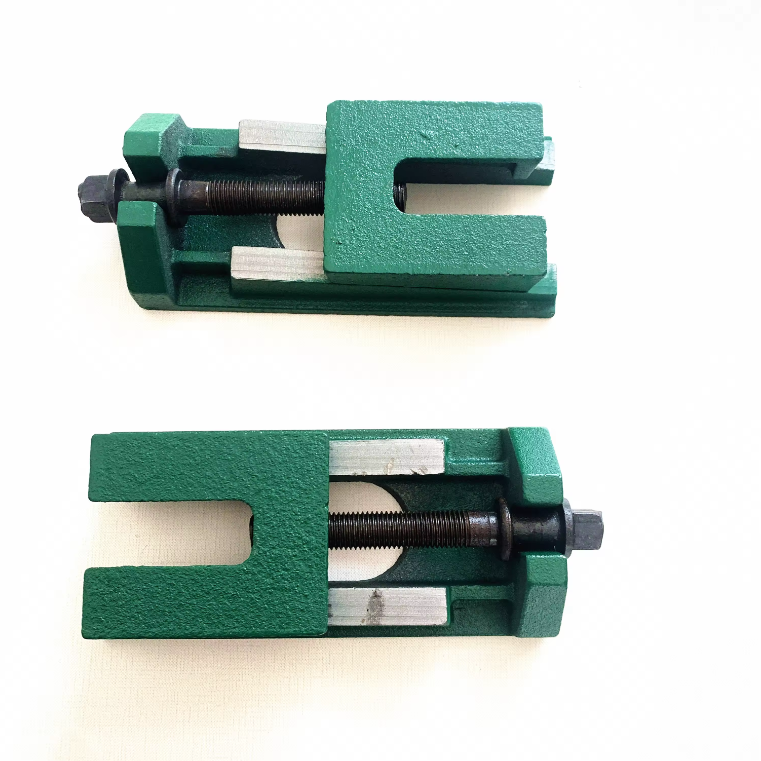
Wholesale Suppliers for High-Quality Ball Valves in Various Sizes and Materials
ball valves wholesale .
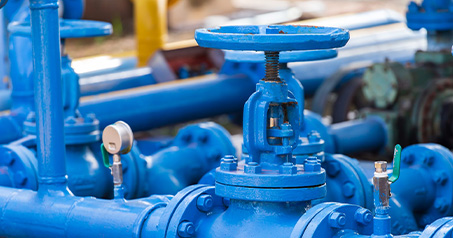
Využití paralelního pravítka v různých oborech a jeho výhody
Použití paralelních pravítek v praxi Paralelní pravítka jsou jedním z nejoblíbenějších nástrojů mezi

Various Types of Water Valves and Their Applications Explained
Understanding the Types of Water Valves A Comprehensive Guide Water valves are essential components
 English